
Homeowners across Weber County are opening the Pineview app and seeing the same message: leak detected. Sometimes there is a leak. Sometimes the alert points to a usage pattern that needs a closer look. Before you panic or start digging up the yard, use the checks below to separate a likely leak from a false alarm.
Why the alerts are happening now
Pineview Water Systems has been installing meters on secondary water connections across Weber County to comply with Utah's 2022 metering law, and its online meter portal, called Waterscope, lets customers watch their usage, set up notifications, and see leak alerts. Everyone around here just calls it the Pineview app. The system flags what it thinks is a leak, but the alert is a reason to check, not proof something is broken.
That is not a knock on metering. A meter that catches a real stuck valve in June can save you from blowing through your seasonal allotment, and with Pineview's $500 over-allotment penalty reported by KSL in March 2026, catching real leaks early matters more than it ever has. You just need a way to tell the difference.
How do you check if the leak is real?
Shut the system down completely and watch what happens. Turn your controller to off, close any manual valves, and make sure nothing in the yard is calling for water. If your meter is on the portal, note the reading, wait a stretch with everything off, and check it again. Movement on the meter with everything shut off means water is going somewhere it should not, and that is worth taking seriously. No movement means you did not catch a continuous leak during that test, which is good news but not the final word: portals can lag, and some leaks only bleed when a zone runs. Let the portal update, watch the yard for the signs below, and check again before writing the alert off as false.
Then walk the yard and look for the physical signs:
- A patch of grass that is greener or spongier than everything around it
- Water seeping along a curb, driveway edge, or from a valve box
- A sunken or constantly damp spot in a bed
- One zone with noticeably weaker pressure than the rest, which can mean a line is bleeding water underground
- A valve box with standing water in it
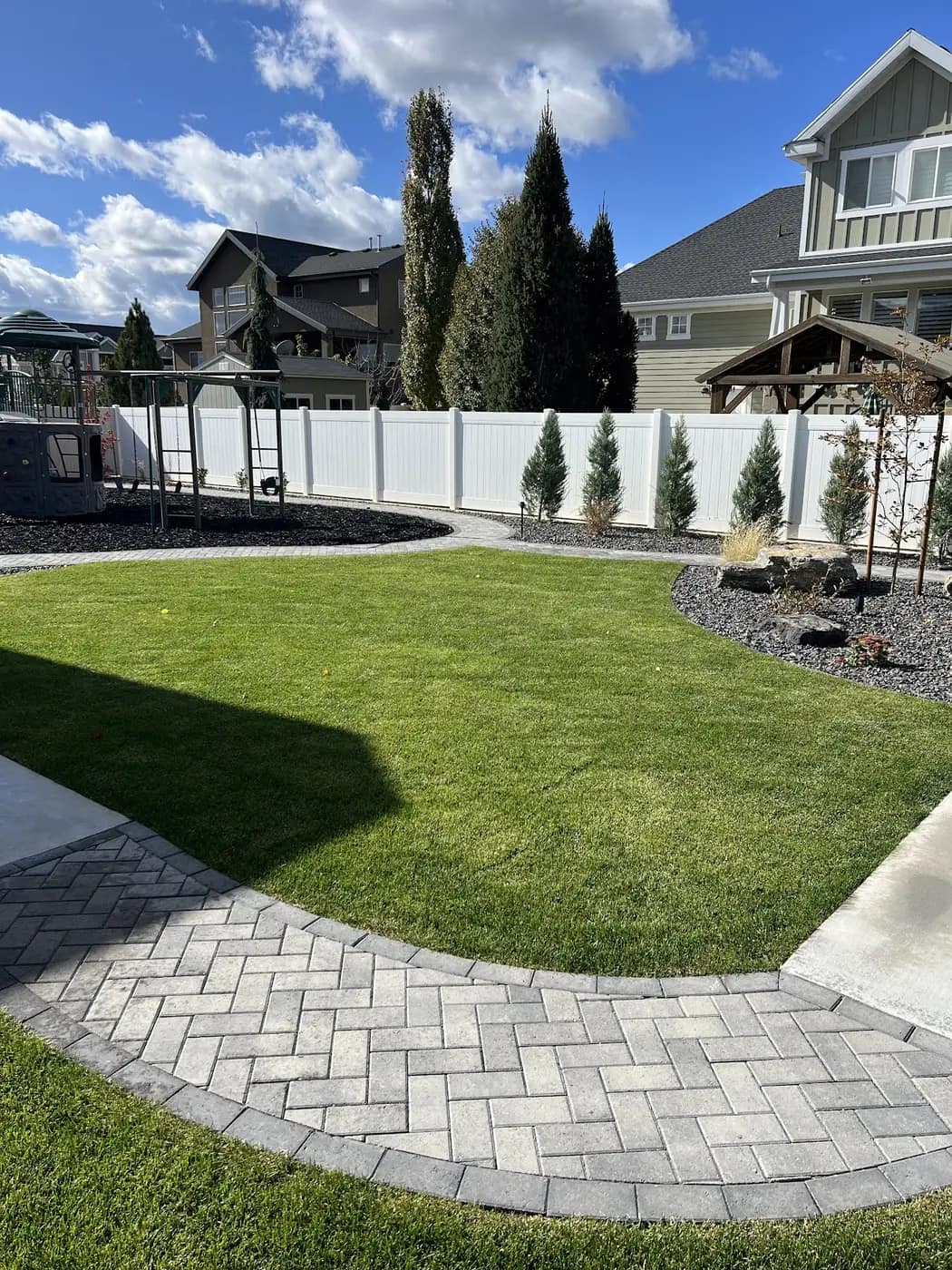
A stuck or weeping valve is one of the most common real culprits we find. The zone never fully shuts, water dribbles out at the lowest head around the clock, and it shows up on a meter as constant slow usage.
What does a real irrigation leak cost now?
Before meters, a slow leak just meant a soggy corner and a slightly guilty conscience. Now it eats a measurable share of a seasonal allotment that has a $500 penalty and an early shutoff on the other end of it, per Pineview's reported policy. A weeping valve or cracked lateral line running all season can be the difference between a 75 percent letter and a shutoff notice. The math on fixing it changed.
When to call someone
If the meter moves with everything off and you cannot find the source, or the source is below grade, call an irrigation repair contractor. Felter Landscape installs new sprinkler systems as part of landscape builds, but we do not take leak, valve, or line-repair calls. If the meter does not move and the yard shows none of the signs above, mention the alert to Pineview at (801) 621-6555 and ask them to check your meter and Waterscope account settings before paying anyone to dig. If you are not on the portal yet, request access by emailing meters@pineviewwater.com. Pineview says login information can take a week or two.

Common questions
Does a Pineview leak alert always mean I have a leak?
No. The alert means the metering system behind Pineview's Waterscope portal flagged a usage pattern it reads as a possible leak. Verify it yourself: shut the whole irrigation system off, check whether the meter still records usage, and walk the yard for wet spots before paying anyone to dig.
How do I find an irrigation leak in my yard?
Shut the system off completely, then look for movement on the meter, unusually green or spongy patches, water in valve boxes, seepage along curbs, or one zone with weak pressure. If the meter moves with everything off and there are no visible signs, the leak may be below grade and is worth a professional visit.
How much water does a small irrigation leak waste?
It depends on the size and pressure, but the reason it matters in Weber County is the seasonal allotment: a leak that runs around the clock consumes allotment all season, and Pineview's reported policy fines customers $500 and shuts water off early once they pass 100 percent. A leak you would have ignored five years ago is now worth fixing promptly.
Who fixes sprinkler leaks in North Ogden?
Local irrigation repair contractors handle leak location, valve rebuilds, and line repairs. Felter Landscape installs new sprinkler systems as part of landscape builds, but we do not take repair or troubleshooting calls.
Sources
Related services and areas: