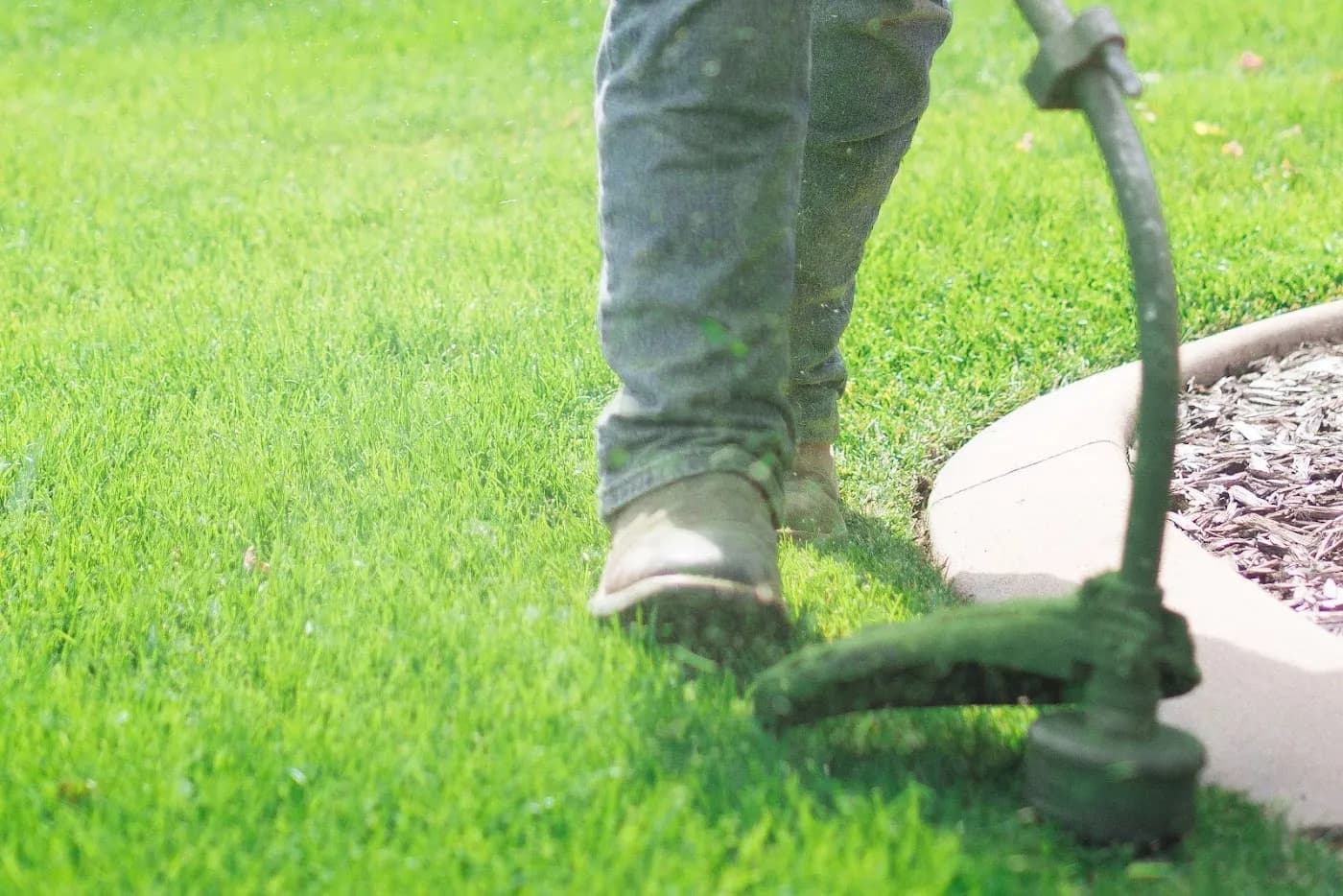
There is nothing quite like the transformation of a project when the soil is finally covered with a lush, green lawn. We coordinate with Utah's premier sod farms to ensure you receive the freshest turf, installed with professional precision for an instant lawn. Our service goes beyond just laying grass. We provide expert guidance on initial irrigation schedules and apply a specialized starter fertilizer to ensure your new lawn establishes deep roots and a healthy start.
Certified Arborist · CMHA-certified hardscape installer · Dominator Sports Pro Installer · Utah DOPL Contractor License #10946300-5501
What a sod installation includes
Fresh turf from Utah sod farms
We coordinate delivery with Utah's premier sod farms so the turf goes down soon after it is cut. Sod that sits on a pallet in the heat is already losing before it is laid.
Soil prep before the first roll
Grade, soil condition, and irrigation coverage all get sorted before sod arrives. Laying good turf over bad prep just hides the problem for a season.
Starter fertilizer at installation
We apply a specialized starter fertilizer as the sod goes in, which is what pushes roots down into the soil instead of letting them sit in the sod layer.
Irrigation coverage checked first
A corner the sprinklers do not reach shows up as a dead patch once the turf is down and rooting. We confirm coverage before the sod arrives.
A watering schedule for the first weeks
New sod wants frequent short cycles, then less water for longer as it roots. We give you the schedule rather than leaving you to guess, because establishment is the stage where a new lawn is most easily lost.
Guidance on the first mow and beyond
We tell you when it is safe to walk on it, when to make the first cut, and how to move it toward a normal watering schedule.
Choosing turf for a Weber County lawn
Kentucky Bluegrass and Tall Fescue are the two that perform here, and they behave differently enough that the choice is worth a conversation. Bluegrass repairs itself and looks the part. Fescue generally holds up better on less water once it is established. If you are on a secondary water allotment, that difference stops being academic. It is also worth asking how much lawn you actually want. Sod is the right answer for the part of the yard that gets walked on, and often the wrong answer for a hot park strip or a steep slope. We would rather put sod where it earns its water and design something else for the rest.
Common questions
Which grass should I get?
We install a premium Kentucky bluegrass, from a line bred for better drought tolerance and lower water use than older bluegrass. It self-repairs and gives you the classic look.
When can I walk on it or mow it?
Sod needs a lot of water for the first couple of weeks, and after that you can go back to a normal watering schedule. You can walk on it and start mowing typically 2 to 3 weeks after installation.
How much water does new sod need?
Far more than an established lawn, in short frequent cycles for the first few weeks, then tapering to longer and less often as roots go down. We set the schedule with you at install.
When is the best time to lay sod?
April to June and August to October are the ideal windows, with moderate temperatures that let roots establish before summer heat or winter frost. Mid-summer installs are possible but demand much more water and much more attention.
More reading
Related services
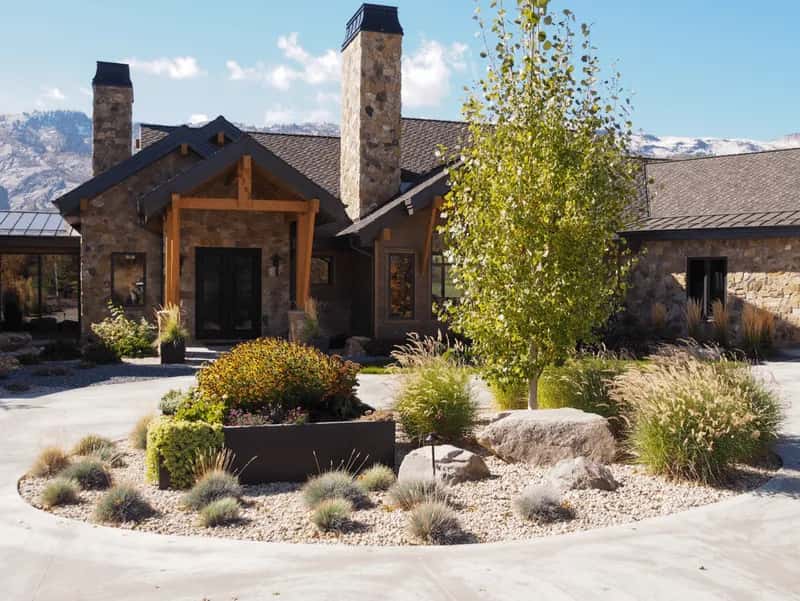
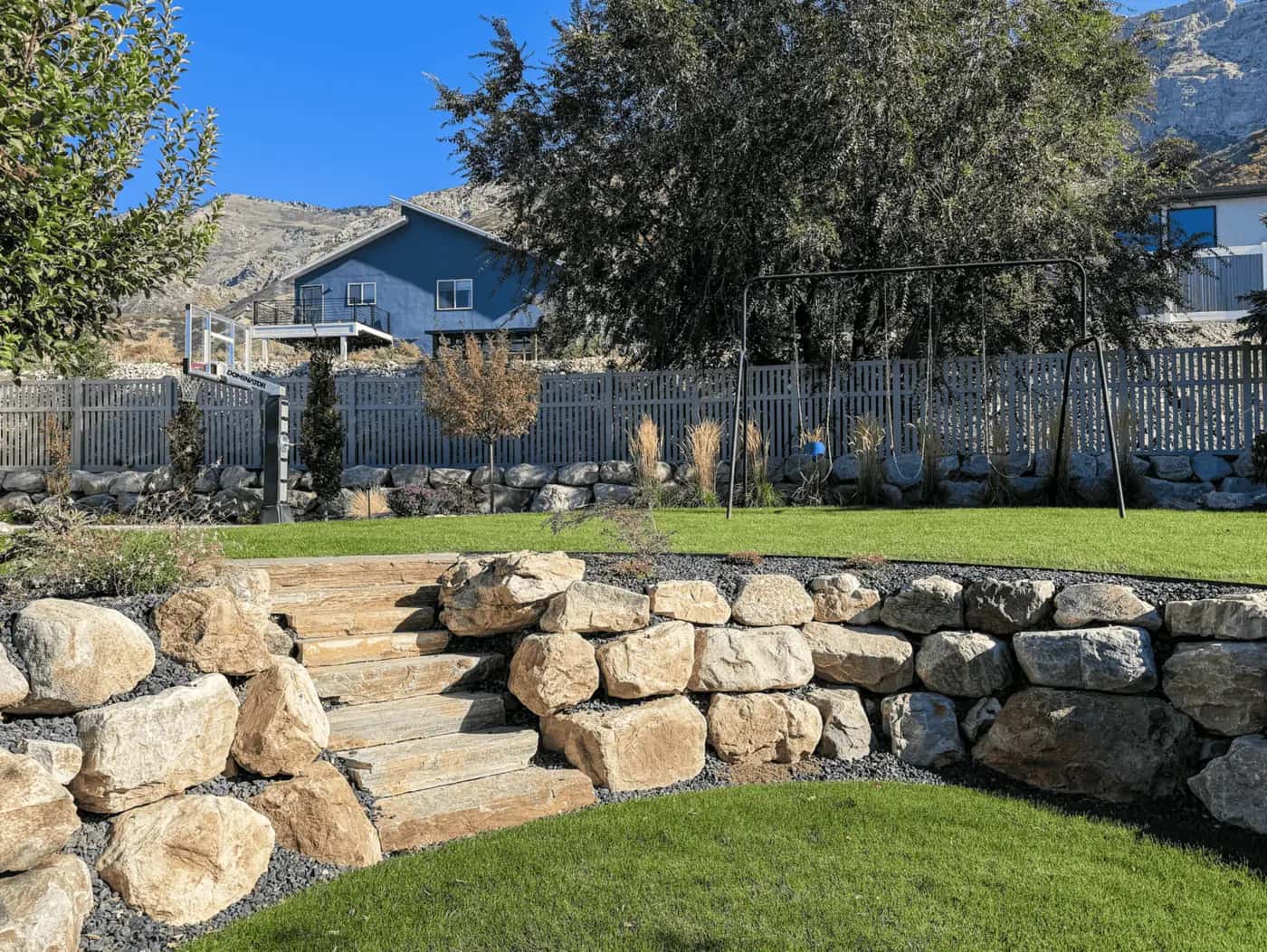
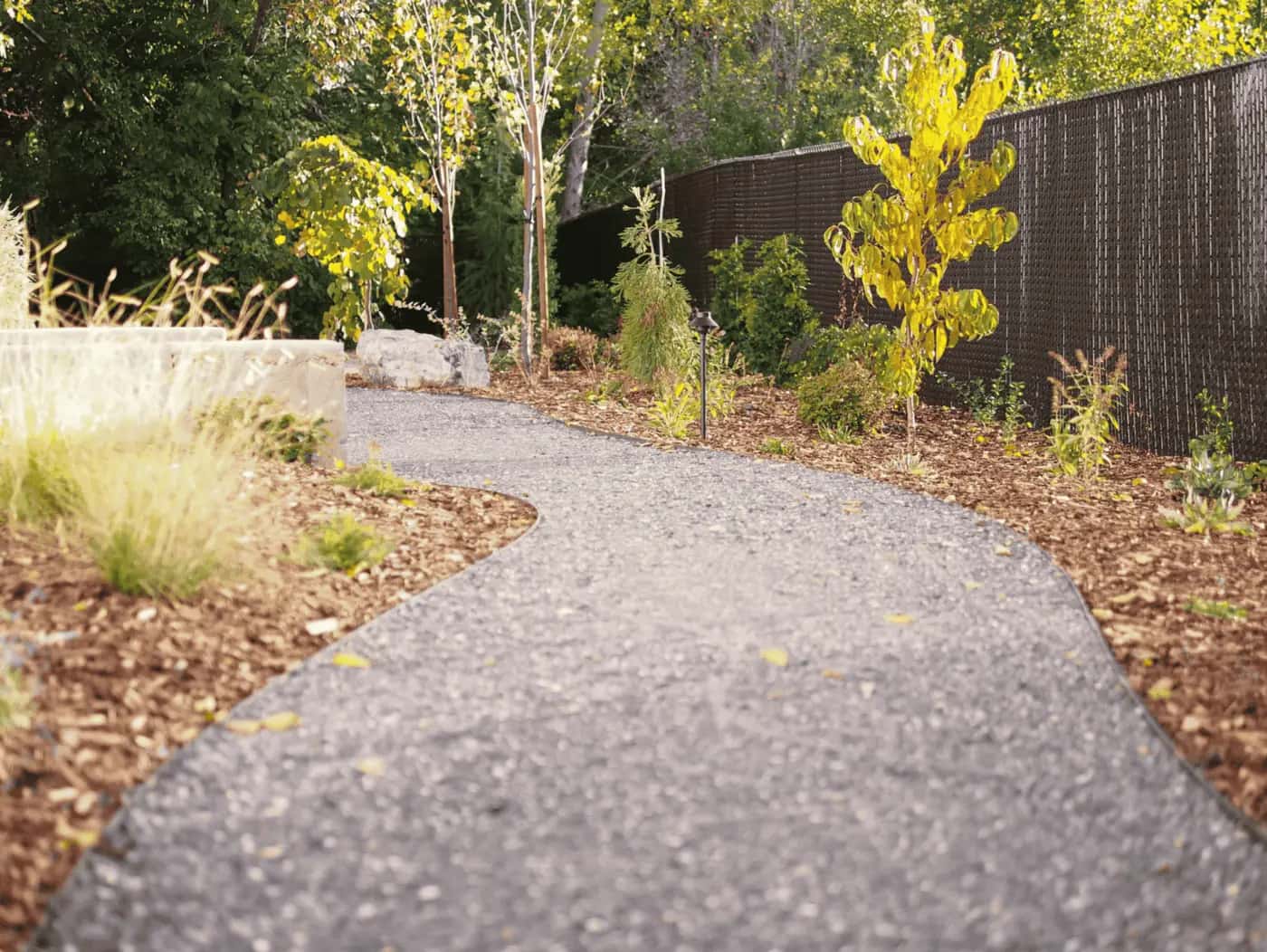
From bare lot to a backyard you never want to leave.
Free consultation and site analysis. Design plans are priced separately, and you get a fixed quote before any work begins. Serving Weber County.